
Goodbye to High Energy Bills and Spoiled Goods: How Phase Change Materials Are Rewriting the Cost Logic of Cold Chain Logistics
For decades, cold chain logistics has faced two persistent enemies:soaring energy costsandproduct spoilage from temperature fluctuations. Traditional refrigeration — powered by diesel or electric compressors — has long been the default solution. But a quieter, smarter alternative is rapidly gainin···
Organic and Composite Phase Change Coolants: Glacier Coolant Explores the Alternatives
In the first part of this series, Glacier Coolant examined inorganic phase change coolants — ice, hydrated salts, dry ice, and liquid oxygen. Now, we turn toorganicandcompositephase change materials (PCMs), which offer distinct advantages and trade-offs for thermal storage applications.Organic Phas···
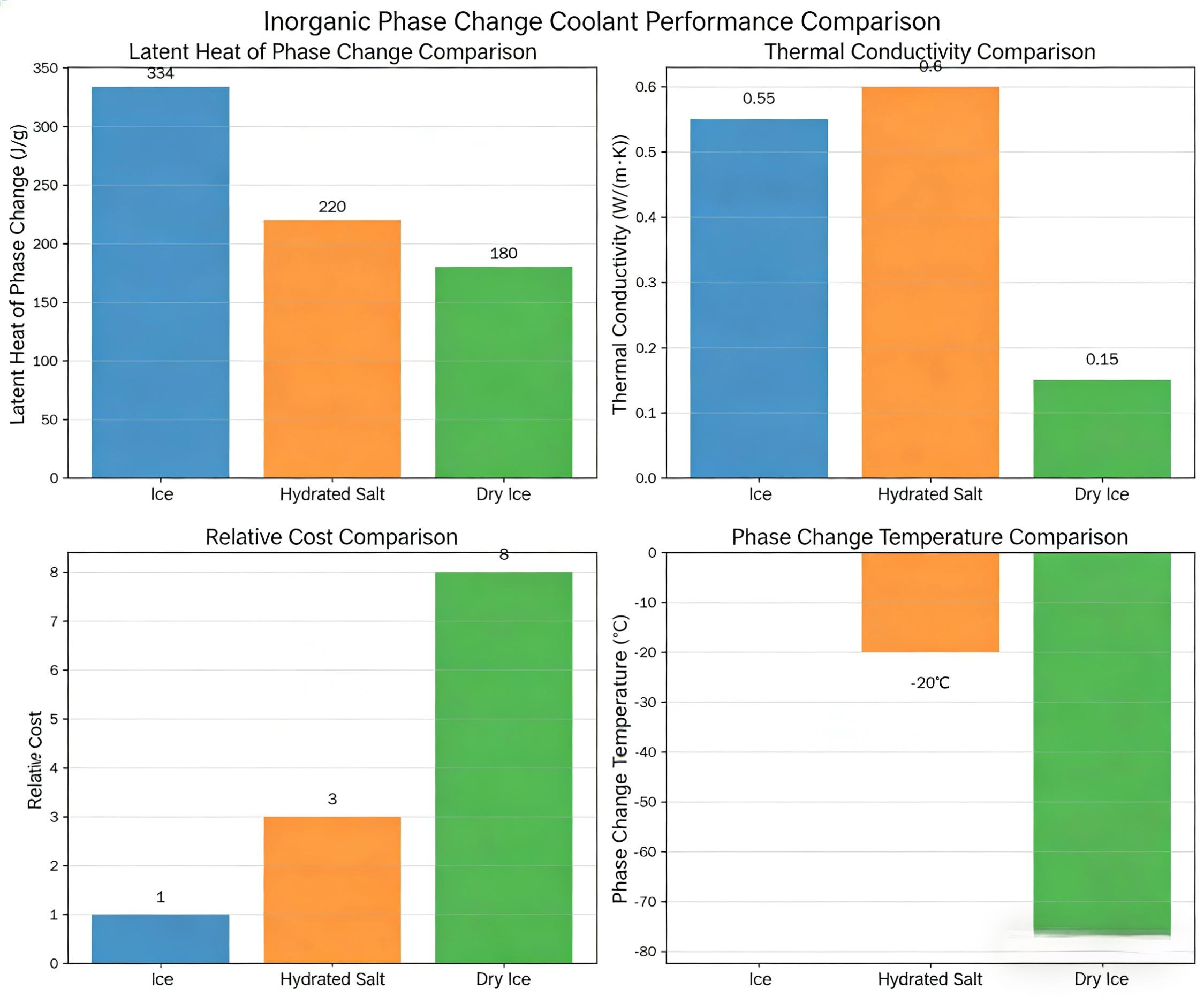
Inorganic Phase Change Coolants: Glacier Coolant Breaks Down the Pros and Cons
Phase change coolants — also known as thermal storage materials — are broadly classified into three categories based on their chemical composition: inorganic, organic, and composite. Each type offers distinct advantages and limitations in terms of latent heat, thermal conductivity, supercooling te···

What are phase change material PCM microcapsules?
As phase change materials (PCM) evolve, one innovation stands out for its versatility and performance potential:microencapsulated phase change materials (PCM). By encasing PCMs in microscopic shells, this technology combines efficient thermal storage with a form factor that can be integratedinto bui···

Why Heat Transfer Fluids Are the Unsung Heroes of Modern Refrigeration
In any refrigeration system, the compressor, condenser, expansion valve, and evaporator get most of the attention. But there is another component that quietly determines how efficiently cold reaches its theheat transfer fluid— also known as a secondary coolant.Glacier Coolant explores why this ofte···
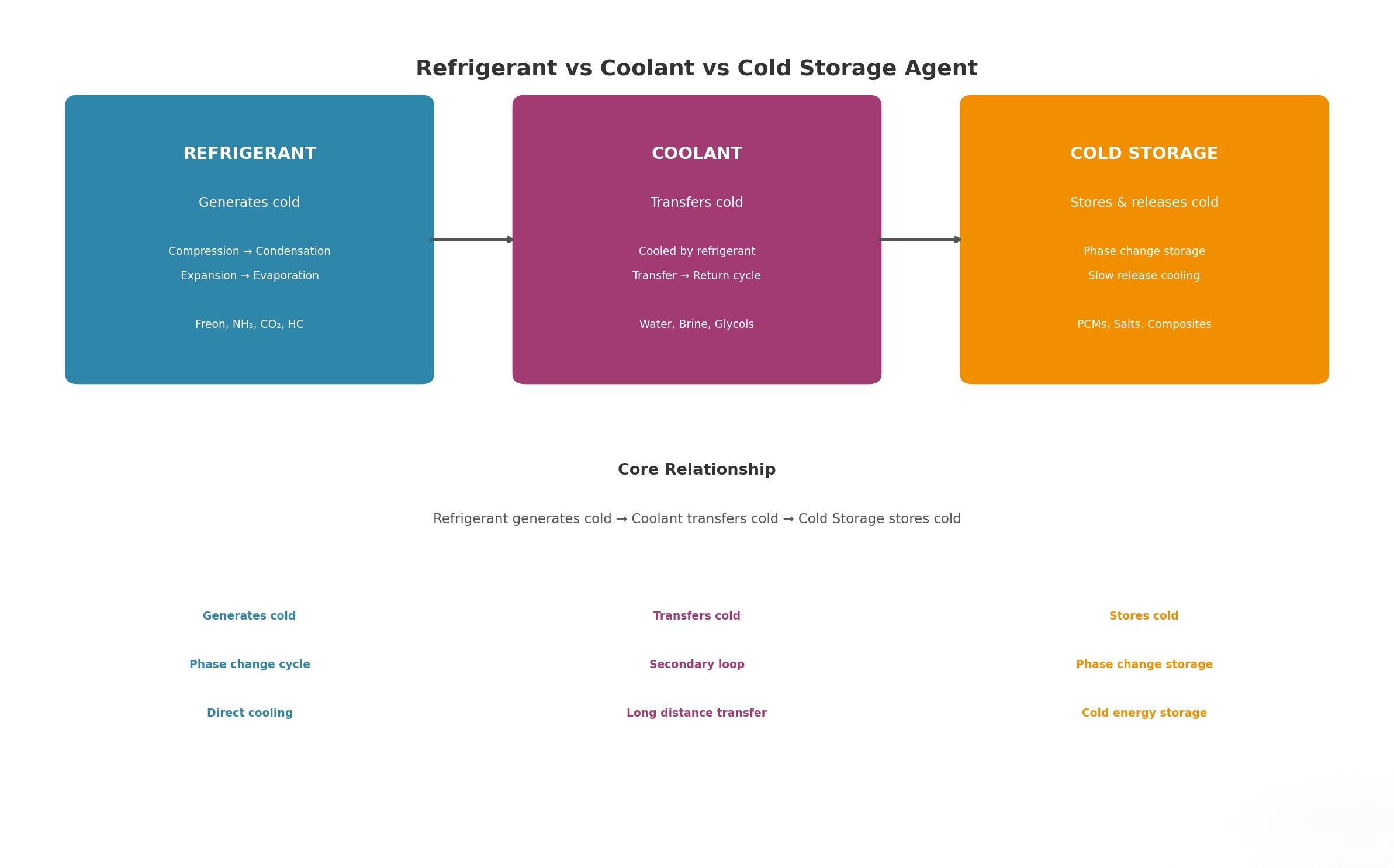
Refrigerant, Coolant, or PCM?
Glacier CoolantClarifies the Trio Behind Every Cooling SystemBehind every effective cooling system — whether in a supermarket freezer, a pharmaceutical cold chain, or an industrial reactor — lie three very different but closely related substances: refrigerants, heat transfer fluids (often called s···
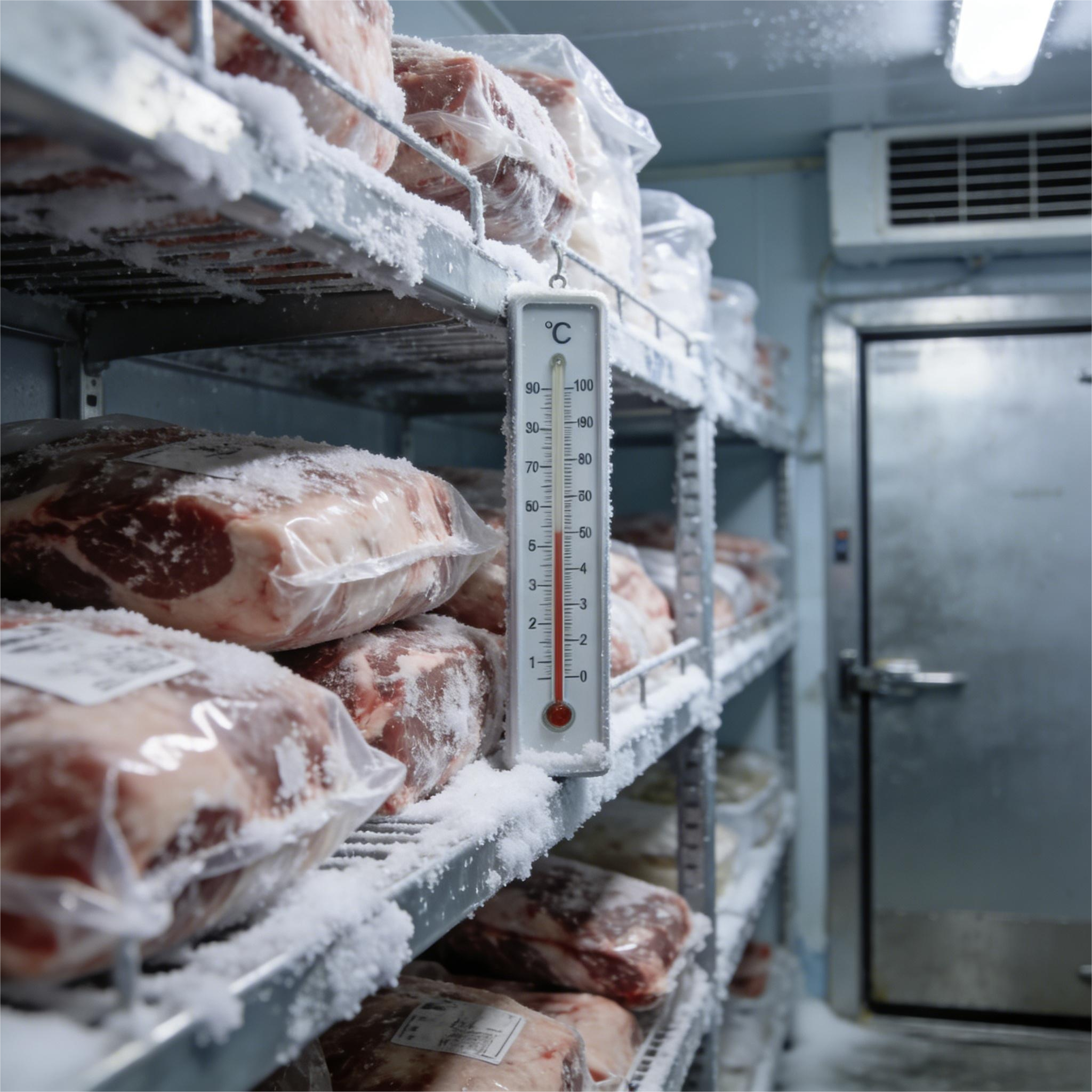
Phase-Change Tech Redefines Fresh Transport
The "last mile" of cold chain logistics has long been the weakest link in perishable goods transportation. Across the industry, one challenge remains universal: temperature inconsistency. According to industry data, post-harvest loss rates for fresh produce in many regions range between 15···
Forget Chemical Cleaning: This “Active Protection” Breakthrough Is Rewriting the Rules of Water Treatment
As global industrial activity accelerates, cooling water now accounts for more than 80% of total industrial water use. But with continuous circulation and evaporation, mineral concentrations rise—leading to persistent scaling and corrosion in pipelines and equipment. The traditional response has be···

When a Leak Means More Than Just a Mess: Why Conductivity Matters in Industrial Cooling
As industries increasingly rely onprecise cooling systems, the risks associated with electrical conductivity in heat transfer fluids have come into sharp focus. Glacier Coolant is addressing this critical challenge with its advanced low-conductivity coolants — engineered to deliver reliable thermal···
Pioneering Low-Temperature Organic Phase Change Materials for a Sustainable Future
In an era where precision and sustainability drive industrial progress, low-temperature organic phase change materials (PCMs) are emerging as a transformative force. Among the leaders in this field, Glacier Coolant stands out for its innovative approach and exceptional performance, delivering soluti···