
PCM Cold Chain Packaging for Last-Mile Grocery Delivery
How passive PCM packaging protects chilled and frozen groceries through the last mile, with a practical guide to sizing, packing and reuse.
The hardest part of a grocery delivery is often the last ten minutes. The van is cold. The door opens. The box sits in a warm lobby. Then the customer takes it home.
This is the last mile delivery cold chain problem. It is where many good shipments fail.
In this guide, we build the case for passive packing. We keep the advice simple. You can put it to work on your next route.
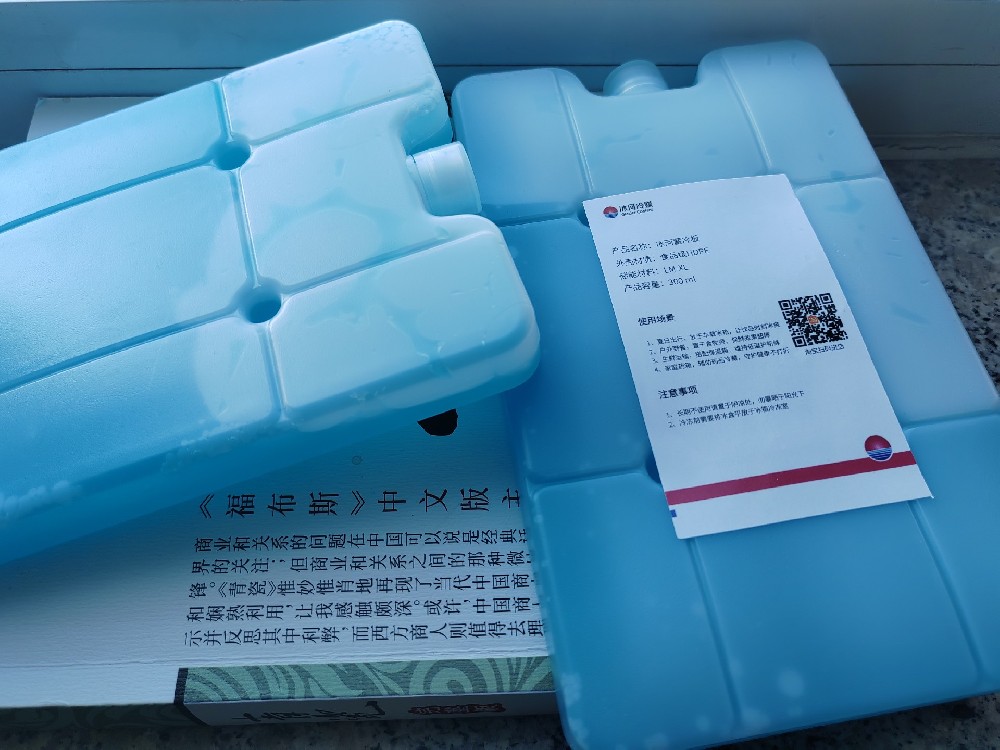
Where the chain breaks
Cold chains have many links. A truck carries goods from the depot. A van carries them across town. A courier carries them to the door.
Active cooling works well in the truck and the van. It needs power. At the door, there is no power. That is the gap.
Every transfer is a risk. The box may wait outside. It may sit in a hot car. Each pause pushes the temperature up.
Why passive packing fits
Passive packing needs no power. It carries its own cold in a pack. That makes it ideal for the last stretch.
A phase change pack holds its band while it melts. It absorbs heat through the trip. Your groceries stay in range without a plug.
This is the core of unpowered refrigerated delivery. The cold travels with the box, not with a machine.
What a PCM insulated box shipping setup contains
A working box has three parts. Each one has a job. Leave any part out and the system weakens.
The outer box insulates. It slows the heat coming in. The PCM packs store the cold. They absorb the heat that gets through.
The third part is the process. That means charging the packs, placing them well, and closing fast. Good parts with a poor process still fail.
| Part | Job | Failure if skipped |
|---|---|---|
| Insulated box | Slow heat entry | Packs melt too fast |
| PCM packs | Store and release cold | Temperature rises |
| Charge process | Store cold before load | Short hold time |
| Placement | Spread cold evenly | Hot and cold spots |
Use this as a checklist before each dispatch. Four boxes ticked is a good start.
Choose the band first
Start with your product. Chilled groceries and frozen groceries need different bands. One pack rarely serves both well.
If you ship both in one van, use two box types. A chilled box uses a cool band. A frozen box uses a subzero band.
Confirm each band against your product rules and the official data sheet before you buy.
The meal kit cold packaging case
Meal kits are a common last-mile use. A box of ingredients must arrive cold. It may wait on a porch for an hour.
The pack must cover that wait. Plan for the worst case, not the average. Add margin for a late courier or a hot day.
Meal kit cold packaging also has a cost target. You want the fewest packs that still pass. A logged trial finds that number.
| Scenario | What to plan for | Packing response |
|---|---|---|
| Short urban route | Heat from ambient air | Standard pack count |
| Porch wait | Long static hold | More mass or thicker box |
| Summer peak | High outside heat | Larger band gap margin |
| Mixed groceries | Two temperature needs | Two separate boxes |
How long will a box hold
There is no single answer. Hold time depends on four things. You can measure each one.
The first is the band gap. A cold pack in a hot room works hard. The second is pack mass. More material lasts longer.
The third is insulation. Better walls slow the heat. The fourth is handling. Every open lid costs you time.
Run a route test with a logger. Record the outside temperature that day. Then you know your real hold time.
Place packs around the load
Placement is a skill you can teach. Put packs near the product, not just under it. Even contact spreads the cold.
For a tall box, use side packs as well as a base pack. For a flat box, spread packs across the lid area. Cold falls, so the top needs attention.
A common error is one large pack at the bottom. The base freezes while the top warms. Your logger will show the gap clearly.
Charge before you pack
A pack only stores what you put in. Charge it fully before the route. That means enough time in the cold room.
Rush the charge and the pack starts half full. It will run out early. Your team may blame the box.
Set a simple rule. Packs go into the cold room the night before. They come out only when fully set.
Close the loop on reuse
Most phase change packs are made for repeat trips. Reuse lowers the cost per delivery. It also cuts waste.
After a route, let packs return to room state. Check each seal for damage. Then send them back to the cold room.
Keep a count. Packs get lost in busy operations. A simple shelf tally prevents a mid-route shortage.
| Reuse step | What to check | Why it matters |
|---|---|---|
| Return | Pack came back | Avoid shortages |
| Inspect | Seal and shell | Catch leaks early |
| Reset | Fully charged | Full hold time |
| Store | Clean and dry | Ready for next load |
Train the people who pack
The best system fails with rushed hands. Train your team on three steps. Charge, place, and close.
Show them what a fully set pack feels like. Show them where packs go in each box size. Time how long a lid stays open.
A short weekly check keeps habits sharp. It takes minutes and prevents costly errors.
Work with the van, not against it
The last mile starts before the van stops. A good handoff keeps the box cold from the start. Plan the transfer, not just the final walk.
Keep boxes in a cool zone of the van. Do not leave them beside a door that opens all day. Each warm spell spends some of the pack's stored cold.
Group drops by temperature need. Deliver frozen boxes first on a long route. Chilled boxes tolerate a later stop much better than frozen ones do.
A simple route rule saves more cold than an extra pack. It costs nothing and works every day.
Handle the exceptions
Some deliveries break the plan. A customer is not home. A box returns to the van. A route runs long.
Decide these cases in advance. How long can a box wait and still be sold? Who checks the logger on return?
Write the rule down. Give the driver a clear instruction. Exceptions are where cold chains usually fail.
Measure, then improve
Start with a trial on one route. Use a logger in every test box. Compare the trace with your product limit.
If the box passes with room to spare, remove a pack. If it fails, add mass or improve insulation. Repeat until you find the leanest safe setup.
This is how you build a spec that saves money. It is based on your route, not on a guess.
FAQ
What is last-mile cold chain delivery?
It is the final leg from a local hub to the customer, often without active cooling at the door.
Can PCM packaging work without refrigeration?
Yes. A charged pack carries stored cold into the box and holds its band while it melts.
How do I size PCM for a delivery route?
Measure the trip time, the outside heat, and the box insulation. Then confirm with a logger trial.
How long does a PCM box hold temperature?
It depends on band, mass, insulation, and handling. Test your own route rather than trusting a generic figure.
What insulation works best with PCM?
Any insulation that slows heat well. Thicker walls give the pack more time to work.
How do you recharge PCM packs?
Let them return to room state, inspect the seal, then place them in a cold room until fully set.
Can one box carry chilled and frozen goods?
Usually not. Use two box types with two bands, because one compromise protects neither product well.
What is the most common packing error?
Placing all packs at the bottom. The top warms while the base overcools the goods.
How often should I check packs?
Check the seal on every return. Replace any pack that leaks or looks damaged.
Where do I start with PCM cold chain packaging?
Run one logged trial route with a correctly banded pack. Build your spec from the result.
Why use pcm cold chain packaging last mile delivery?
It needs no power at the door, so the final leg stays inside the band.