
2–8°C or −18°C: How to Choose a PCM Phase Change Temperature
Pick the right PCM band for chilled or frozen goods. Learn how freezing point, melting point and supercooling affect your choice.
A buyer once asked us a simple question. "I ship chilled food. Which PCM do I pick?" The answer starts with one number. That number is your product's required temperature.
Glacier Coolant supplies phase change materials across a range of bands. In this guide, we show how to pick one. We keep it practical, with no hard math.
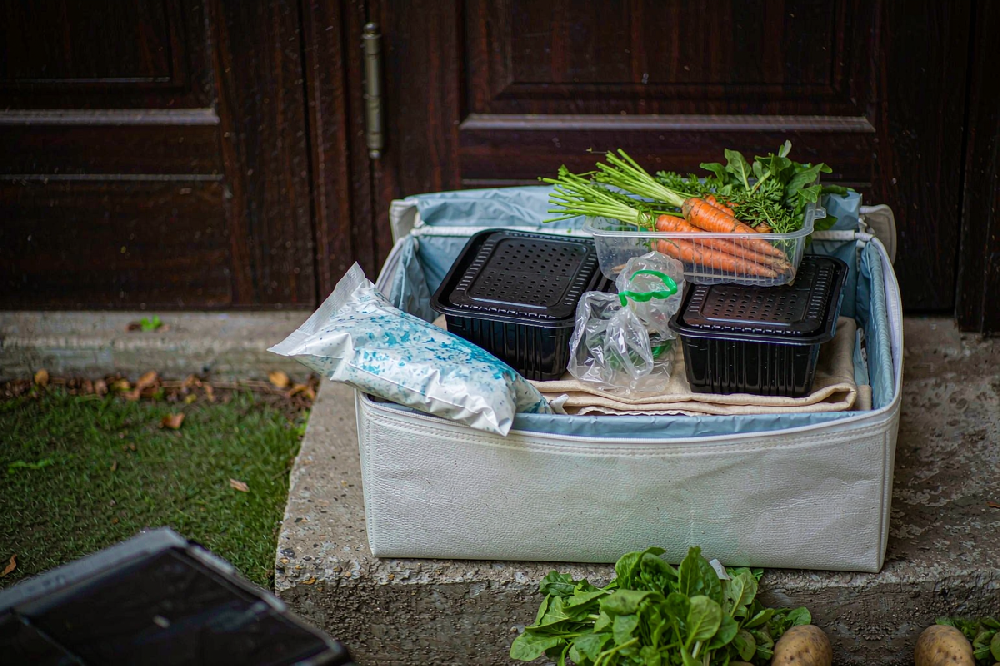
Start with your cargo, not the pack
The most common mistake is picking a pack first. Then the buyer looks for a product to fit it. Reverse the order.
Write down the temperature your product must stay within. For many chilled goods, that is a narrow cool band. For frozen goods, it is a subzero band.
That number is your target. Every choice after this follows from it. If you do not know it, ask your product owner.
The 2-8c cold chain pcm case
Chilled goods such as fresh produce and many biologics use a cool band. The 2-8c cold chain pcm idea is simple. You pick a material that changes phase inside that band.
When the pack melts, it holds near that band. Your box stays cool without power. This is the most common entry point for new PCM users.
The material should not freeze the product. A band far below your target risks cold damage. Stay close to the range you actually need.
The frozen food case
Now take frozen goods. Here the phase change temperature for frozen food sits below zero. The pack must stay frozen through the trip.
If the band is too high, the pack melts early. Your goods then warm up. If the band is too low, the pack works harder than needed.
The frozen band must match your own product rules and the official data sheet.
Two worked examples
Let us make this concrete. Both examples use the same method. Only the target band changes.
| Step | Chilled shipment | Frozen shipment |
|---|---|---|
| Product limit | Cool band | Subzero band |
| Pack band | Near the cool band | Near the subzero band |
| Main risk | Warming above limit | Thaw and refreeze |
| Check | Logger in box | Logger in box |
Both need an insulated box and a logger. Both need a pack charged before loading. The method is the same. The band is what changes.
Pcm freezing point vs melting point
Here is a detail many buyers miss. A material often has two numbers. One is the freezing point. The other is the melting point.
They are not always the same. When they differ, the gap is called supercooling. The material stays liquid below its freezing point.
This matters for pcm freezing point vs melting point decisions. You want the pack to freeze at a temperature your freezer can reach.
Use the official data sheet for both numbers. Do not guess from the product name alone.
Why supercooling matters
Imagine a pack that only freezes well below its melt point. Your freezer may not get that cold. Then the pack never charges fully.
A half-charged pack gives a short hold time. You might blame the box. The real cause was the charge step.
Ask your supplier for both points. Then confirm your freezer can reach the freezing point. This one check prevents many failed loads.
How to select pcm temperature
So how to select pcm temperature in five steps? Follow this order and the choice becomes clear.
Step one: write down your product's required band. Step two: add a safety margin for door opens and delays. Step three: check the pack's melting point against that band.
Step four: check the freezing point against your freezer. Step five: test one real shipment with a logger. That is the whole process.
| Step | Question to answer | Why it matters |
|---|---|---|
| 1 | What band must the product hold? | Sets the target |
| 2 | How long is the trip? | Sets the mass |
| 3 | Where does the pack melt? | Holds the band |
| 4 | Can my freezer charge it? | Ensures full store |
| 5 | Did the test pass? | Confirms the fit |
Print this table and use it on your next purchase. It turns a vague choice into five clear checks.
Match the material family
Different material families behave differently. Knowing the family helps you ask better questions. It also sets honest expectations.
Water-based salt systems often carry high stored cold. They may suffer from supercooling over time. Organic systems tend to be stable but conduct heat slowly.
Composite systems add materials to improve conduction. They also aim to control supercooling. Your supplier should explain which family a pack uses.
Size the pack for the trip
Band is one thing. Mass is another. A correctly banded pack can still run out too early.
Longer trips need more material. Hot routes need more material. Frequent door opens need more material. All three raise the heat the pack must absorb.
Start with the supplier's guidance. Then adjust after a logged test. Real data beats a guess every time.
Place packs with care
Placement changes how evenly the box holds temperature. Put packs near the product, not only at the bottom.
Wrap them around the load where you can. Avoid a single cold spot under the goods. That spot can freeze product while the top warms.
Even contact gives an even band. It also makes your logger data easier to read and trust.
Read a data sheet without guessing
A phase change data sheet can look sparse. Yet it holds everything you need. Learn to read three rows and you can compare any two packs.
The first row is the phase change temperature. Some sheets give one value. Better sheets give both the melting and freezing points.
The second row is stored cold per kilogram. A higher value means more cold in the same mass. That can cut the number of packs you carry.
The third row is the cycle life. It tells you how the material holds up after repeated use. Ask for the test basis behind that number.
| Data row | What it tells you | How to use it |
|---|---|---|
| Melt and freeze points | The band and charge needs | Match to cargo and freezer |
| Stored cold per kg | Cold in a given mass | Size the pack count |
| Cycle result | Life over repeat use | Plan replacement |
If a sheet leaves a row blank, ask. A missing number is not a small detail. It is a gap in your design.
A note on mixed loads
Real boxes rarely carry one product. A mixed load makes the band choice harder. You must serve the most sensitive item.
Do not pick a band by averaging your products. The average protects nothing. Pick by the tightest limit in the box.
If two items need very different bands, split the shipment. Two boxes with two packs beat one box with a compromise.
Confirm before you commit
Before you place a bulk order, confirm three things in writing. First, the exact melting point. Second, the freezing point. Third, the safety sheet.
If the supplier cannot give all three, pause. A pack without clear data is a risk you do not need.
Keep a simple record
Good buyers keep notes. Write down the band you chose and why. Record the pack count and the box type.
Log the outdoor temperature on the day of the test. Note any door opens or delays. These details explain the logger trace later.
After three trips, your record becomes a spec. You can train a new packer from it. You can also spot a supplier change before it hurts a load. Keep the file where the packing team can reach it.
FAQ
What PCM temperature do I need for fresh produce?
Pick a band close to the cool range your product requires, with a small margin for delays.
Can one PCM serve both chilled and frozen shipments?
Usually not. The bands differ too much. Keep separate packs for separate temperature ranges.
What is supercooling in a PCM?
It is when a material stays liquid below its freezing point. A large gap can stop the pack from charging fully.
Why is the freezing point different from the melting point?
Some materials change state at two different temperatures. The gap between them is the supercooling range.
How do I verify a PCM's phase change temperature?
Ask the supplier for the official data sheet. Then confirm it with a logger in a real trial shipment.
What happens if the PCM band is too low?
It can overcool your product and waste stored cold. Pick the band that matches your actual limit.
How much margin should I add?
Add enough for door opens and typical delays. A logged test is the best way to size that margin.
Does the material family matter?
Yes. Salt systems, organic systems, and composites differ in stability and heat flow. Ask which family a pack uses.
Can my freezer charge any PCM?
Only if the freezer reaches that material's freezing point. Check this before you buy.
Where can I see the official grade data?
Ask us for the phase change data sheet, or view the range on the product collection page.
What drives pcm phase change temperature selection?
Your product band, the freezer limit, and the trip heat all drive the choice.