How Phase Change Materials Are Transforming Data Center Cooling in 2026
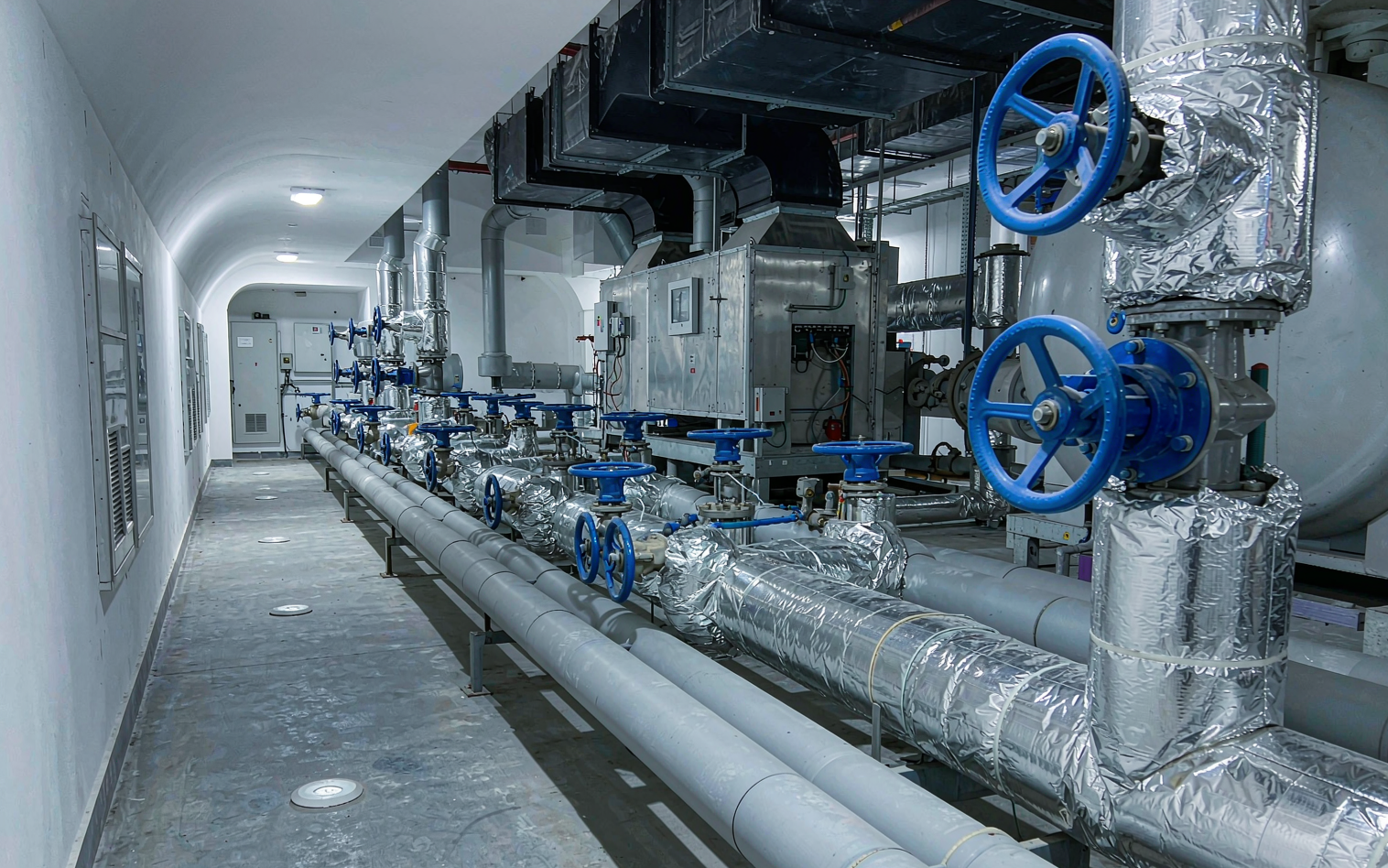
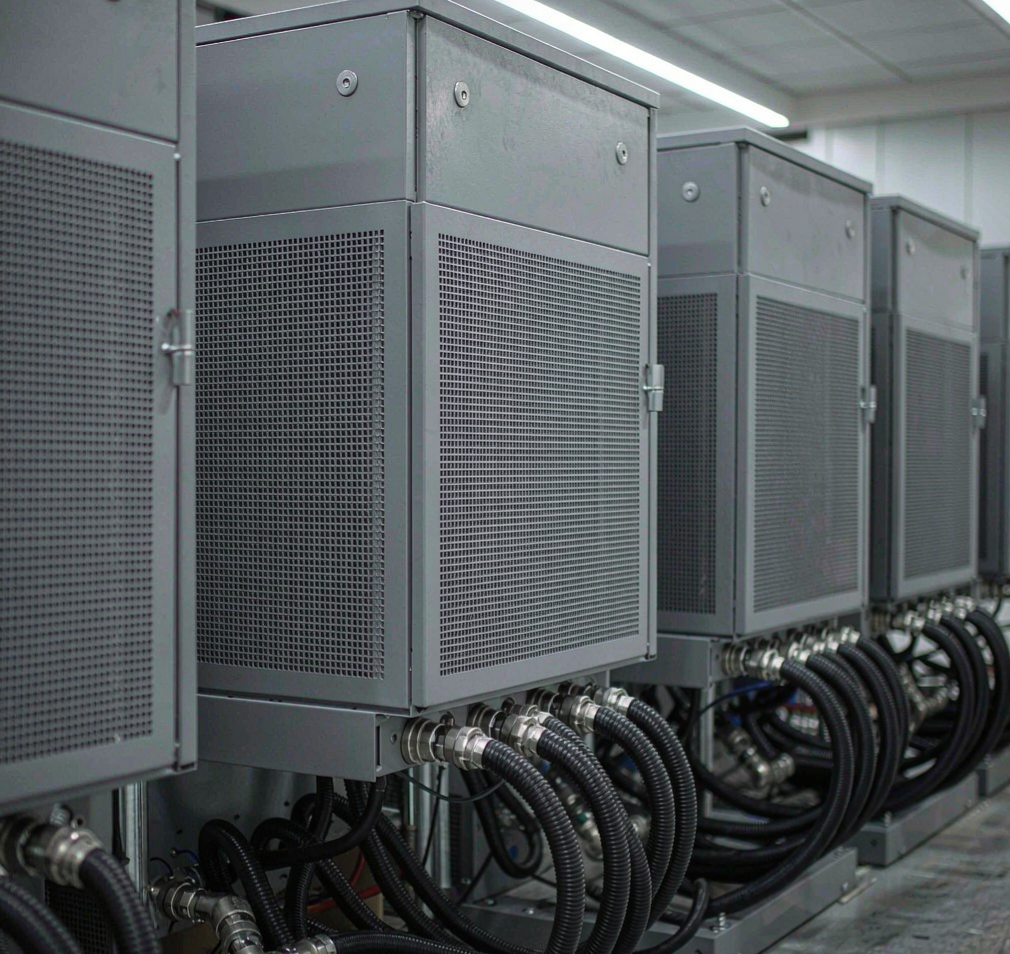
Enter phase change materials, or PCMs. These aren't your grandfather's ice packs engineered for grocery runs. Modern formulations are precision-manufactured to melt and solidify at specific temperature thresholds, absorbing or releasing substantial amounts of latent heat in the process. A cabinet lined with PCM panels can act as a thermal battery — storing cooling capacity overnight when electricity rates dip, then discharging that stored coldness during afternoon peaks when grid prices spike and server loads surge. It's a straightforward idea, but getting it right has taken years of material science work. Most people think phase change is just freezing and thawing wax. The real engineering lives in the details. You need materials with high latent heat so a small volume stores lots of cooling. You need thermal conductivity high enough that the phase transition happens quickly — otherwise it's just an expensive ornament. And you need chemical stability across thousands of cycles, because nobody wants to rip out wall panels every two years. A chiller plant circulates coolant through phase-change panels overnight, charging the thermal battery when electricity rates are low. Glacier Coolant, a Chinese specialist in cooling media and energy storage materials, has spent more than three decades working through these details. Its PCM lineup covers a temperature range from minus 32 degrees Celsius up to 115 degrees Celsius, spanning low-temperature cold storage, mid-range climate control, and high-temperature industrial heat recovery applications. For data centers, the sweet spot sits between 18 and 35 degrees Celsius — right where server inlet temperatures typically hover. The company's formulations use carefully selected organic and bio-based cores with modified molecular chains that suppress subcooling, a common problem where the material cools below its freezing point before actually solidifying. That delay can reduce effective storage capacity by 20 to 30 percent, so eliminating it matters. The mechanism works like this: during off-peak hours, the facility's chiller plant circulates coolant through channels embedded in the PCM panels. The material absorbs the cooling energy as it transitions from solid to liquid, storing it in the latent form that makes PCMs so much denser than sensible-heat alternatives like chilled water tanks. When peak demand hits and electricity rates climb, the chiller plant can dial back or shut down entirely. The PCM gradually solidifies, releasing its stored coldness into the server aisle. Field data from Glacier Thermal's installations across Asia and Europe shows that a typical deployment can reduce peak-hour cooling electricity consumption by 30 to 50 percent. Beyond the direct cost savings, there's a quieter benefit: operational resilience. Data centers in regions prone to grid volatility — think monsoon seasons in Southeast Asia or summer heat waves in southern Europe — face real risk of thermal overload if chillers trip offline. PCM panels provide a thermal buffer that keeps inlet temperatures stable for hours, buying time for backup generators to kick in or for facility teams to troubleshoot. It's not a replacement for backup cooling, but it narrows the window of vulnerability significantly. Modular thermal energy storage cabinets sit alongside the cooling loop, releasing stored coldness into the server hall during the afternoon peak. The technology isn't without its trade-offs. Installing PCM panels adds upfront capital cost, and retrofitting older facilities requires careful thermal mapping to ensure coverage matches heat load distribution. Not every data center's architecture can accommodate the added mass, though modular designs have reduced panel weight by nearly 40 percent compared to earlier generations. Facilities with existing demand-response contracts see the fastest payback, as the arbitrage between peak and off-peak electricity prices accelerates the return cycle. What's driving adoption now isn't just economics. Regulatory pressures around decarbonization are mounting. The European Union's Corporate Sustainability Reporting Directive requires large companies to disclose energy consumption data, and an increasing number of colocation providers are conditioning contract renewals on measurable carbon-reduction commitments. PCMs offer a tangible, verifiable way to move those numbers without overhauling an entire cooling infrastructure. Glacier Coolant isn't the only player in this space, but its background as a secondary refrigerant manufacturer informs how it approaches thermal storage. The company has spent more than three decades studying how cooling media interact with metal surfaces, how corrosion propagates in closed-loop systems, and how to formulate additives that keep everything stable for years. That expertise transfers directly to PCM formulation — understanding thermal cycling degradation, managing compatibility with different housing materials, and engineering products that hold up in industrial environments where failure means downtime. For data center operators watching their power bills climb each quarter, phase change thermal storage is no longer a research paper fantasy. It's an active category with real deployments, measurable returns, and a regulatory tailwind pushing adoption forward. The next time you pull up a website or stream a video, there's a decent chance some of the servers making it happen are being kept cool by panels that quietly store and release thermal energy, hour by hour, cycle by cycle. And behind that quiet operation is a materials science team treating phase change not as a trick, but as a discipline. As 2026 progresses, expect to see more colocation providers offering PCM integration as a standard option, and more hyperscalers running thermal storage trials alongside their liquid cooling experiments. The cooling puzzle won't be solved by any single technology, but phase change materials are filling a gap that air conditioning and liquid immersion simply can't address on their own. It's about making the grid work smarter, not harder — and giving those server racks a little breathing room when the temperature climbs and the electricity gets expensive.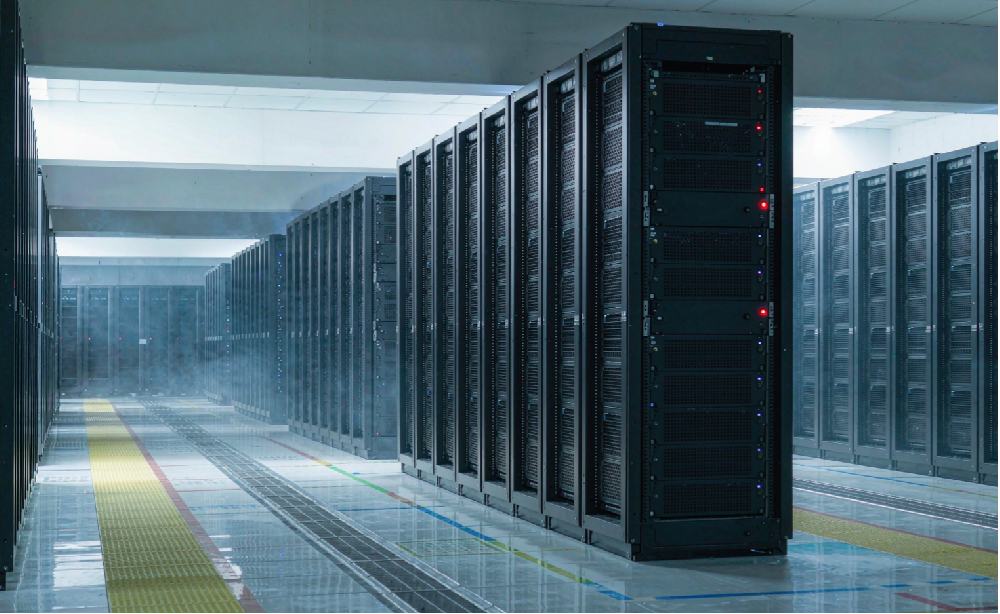 Every server rack humming away in a data center generates heat. A single high-density rack today can push past 30 kilowatts of thermal output, and that number climbs as AI accelerators and GPUs pack into tighter spaces. Traditional air-conditioning systems handle this load by blowing conditioned air through aisles and beneath raised floors, but the math is starting to break down. The International Energy Agency estimates data centers could consume as much as 6 percent of global electricity by 2030, with cooling accounting for roughly 40 percent of that draw. Utilities are pushing demand-response programs, grid operators are bracing for peak-hour strain, and facility managers are scrambling for anything that cuts the kilowatt bill without risking thermal shutdowns.