
Phase change materials (PCMs) have become the go‑to solution for temperature‑sensitive shipping — from fresh produce and seafood to life‑saving pharmaceuticals. When used correctly, they maintain safe temperatures for a full day or more. But some users find their coolant runs out of steam in just a few hours.
The problem is rarely the coolant quality. More often, it comes down to how the coolant is prepared and deployed.
Glacier Coolant shares five practical tips to help you get the most out of every PCM pack.
Freeze PCMs the Right Way
Many people’s first step is already wrong. They toss all the coolant packs into the freezer in a single stack. This prevents cold air from circulating around each pack, leaving some areas partially frozen.
The fix: Arrange packs in a single layer with space between them. This ensures every pack freezes completely, storing the maximum possible amount of cold energy before use.
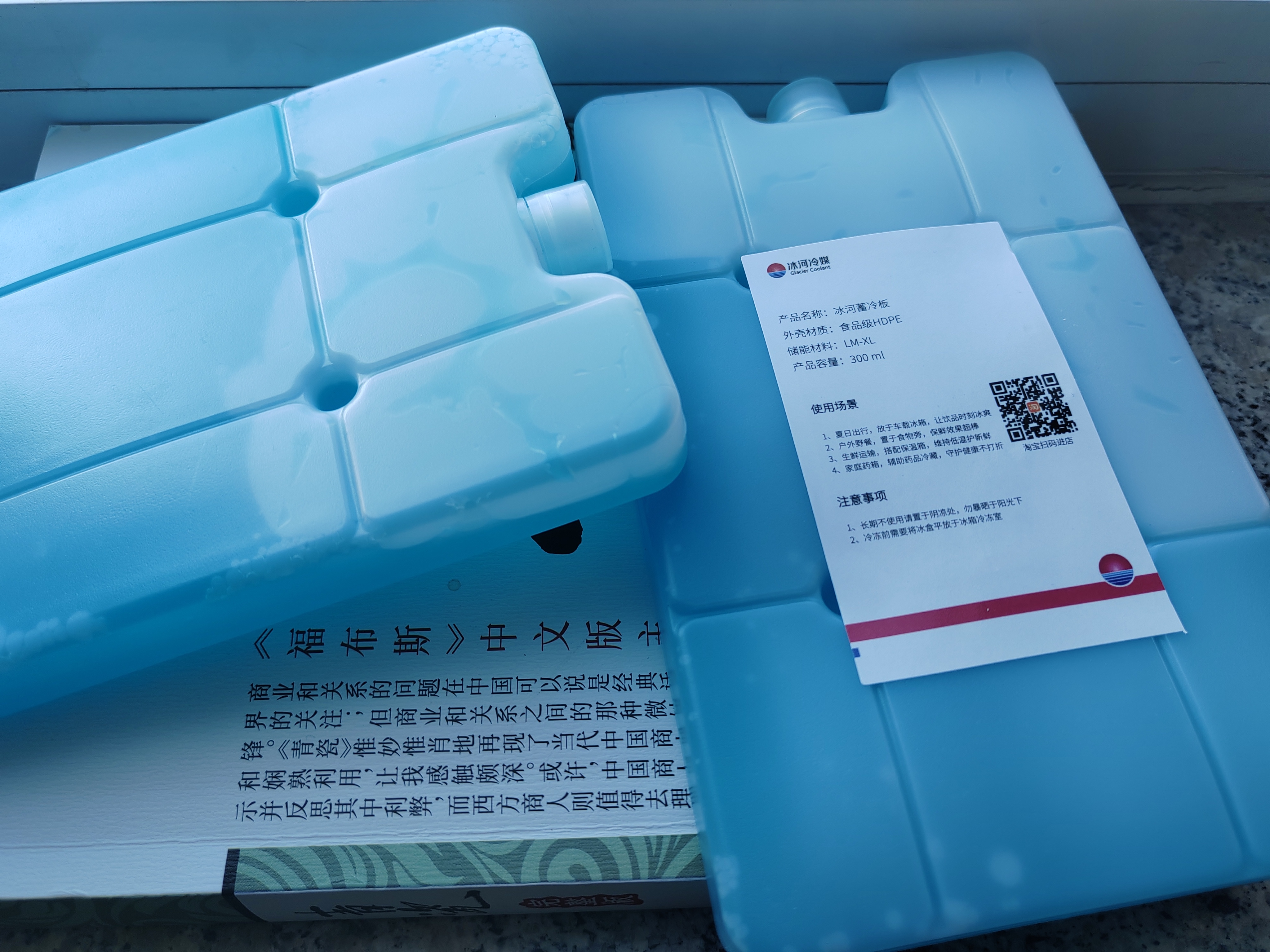
Pair PCMs with a Proper Insulated Container
Even the best phase change coolant will underperform if placed in a plain cardboard or plastic box. These materials offer little resistance to heat transfer.
What works: Use containers made of expanded polystyrene (EPS), vacuum insulated panels (VIPs), or other low‑conductivity materials. A high‑quality insulated box works together with the PCM to:
Block outside heat
Minimize cold leakage
Extend cold retention by 20–30% or more
Pre‑Cool the Container
Placing a fully frozen PCM pack directly into a warm container forces the coolant to use part of its stored cold just to cool down the box itself. This shortens effective protection time.
Better approach: Chill the insulated container beforehand — for example, in a cold room or by storing it in a cool environment overnight. The smaller the temperature difference between the container and the PCM, the longer the coolant will last.
Arrange Coolant and Cargo Strategically
Random placement — throwing packs on top or stuffing them in a corner — creates uneven temperatures and speeds up cold loss.
The proven method: Create a full cold barrier by following three rules:
| Placement Rule | How to Do It |
|---|---|
| Layer inside | Place PCM packs between layers of products (top, middle, bottom) |
| Surround the sides | Line the inner walls with coolant packs |
| Cover top and bottom | Put packs under and over the cargo |
This “wrap‑around” approach forms a 360° low-temperature protective layer that locks in cold and maintains uniform temperature throughout the shipment.
Match the PCM to Your Temperature Target
Each PCM is formulated for a specific phase change temperature. Using a coolant designed for –18°C in a +2°C to +8°C medical shipper won’t work properly — and may even freeze sensitive products.
Glacier Coolant offers PCMs across multiple temperature ranges. Selecting the right product for your application is the first, non‑negotiable step toward reliable cold chain performance.
Why Proper Use Matters
Whether you are shipping fresh strawberries or expensive vaccines, the value of a phase change coolant lies in its ability to maintain stable temperatures for as long as the journey requires. Correct preparation and placement double — sometimes triple — the effective protection time.
Implementing the tips above will help you:
Reduce waste from spoiled goods
Lower coolant costs per shipment (fewer packs needed)
Improve end‑customer satisfaction
Avoid regulatory risks in pharmaceutical logistics
Glacier Coolant: Your Partner in Cold Chain Efficiency
Glacier Coolant provides high‑performance phase change materials and heat transfer fluids for a wide range of temperature‑sensitive applications. With the right product and the right know‑how, you can stop wasting cold energy and start shipping with confidence.
Get more out of every coolant pack — and every shipment.