
In today's era of pursuing efficiency, energy savings, and environmental protection, cooling storage technology plays a crucial role across multiple industries. Among the standout products in this field is Glacier Coolant, a phase change material renowned for its unique working principles, offering significant convenience and benefits to both daily life and industrial applications.

To understand how Glacier Coolant works, we must first explore the concept of "phase change." Simply put, phase change refers to the process by which a substance transforms from one state of matter to another—like water freezing into ice at low temperatures or melting back into liquid when heated. Phase change materials, such as Glacier Coolant, utilize this very property to absorb or release large amounts of cooling energy during the transition between solid and liquid states.
Glacier Coolant is a scientifically engineered blend of specialized materials carefully selected and formulated to achieve an optimal phase change temperature and high latent heat capacity. When the surrounding temperature drops below its phase change point, the coolant undergoes a transition from liquid to solid, absorbing and storing substantial cooling energy in the process. Think of it as an energy "reservoir," effectively locking away excess cooling capacity.
As ambient temperatures rise above the coolant’s phase change point, it gradually shifts back from solid to liquid. During this reverse phase transition, it releases the stored cooling energy, effectively lowering the temperature of its surroundings. This charge-and-release cycle is fully reversible and can be repeated many times, ensuring long-term reliability and performance.
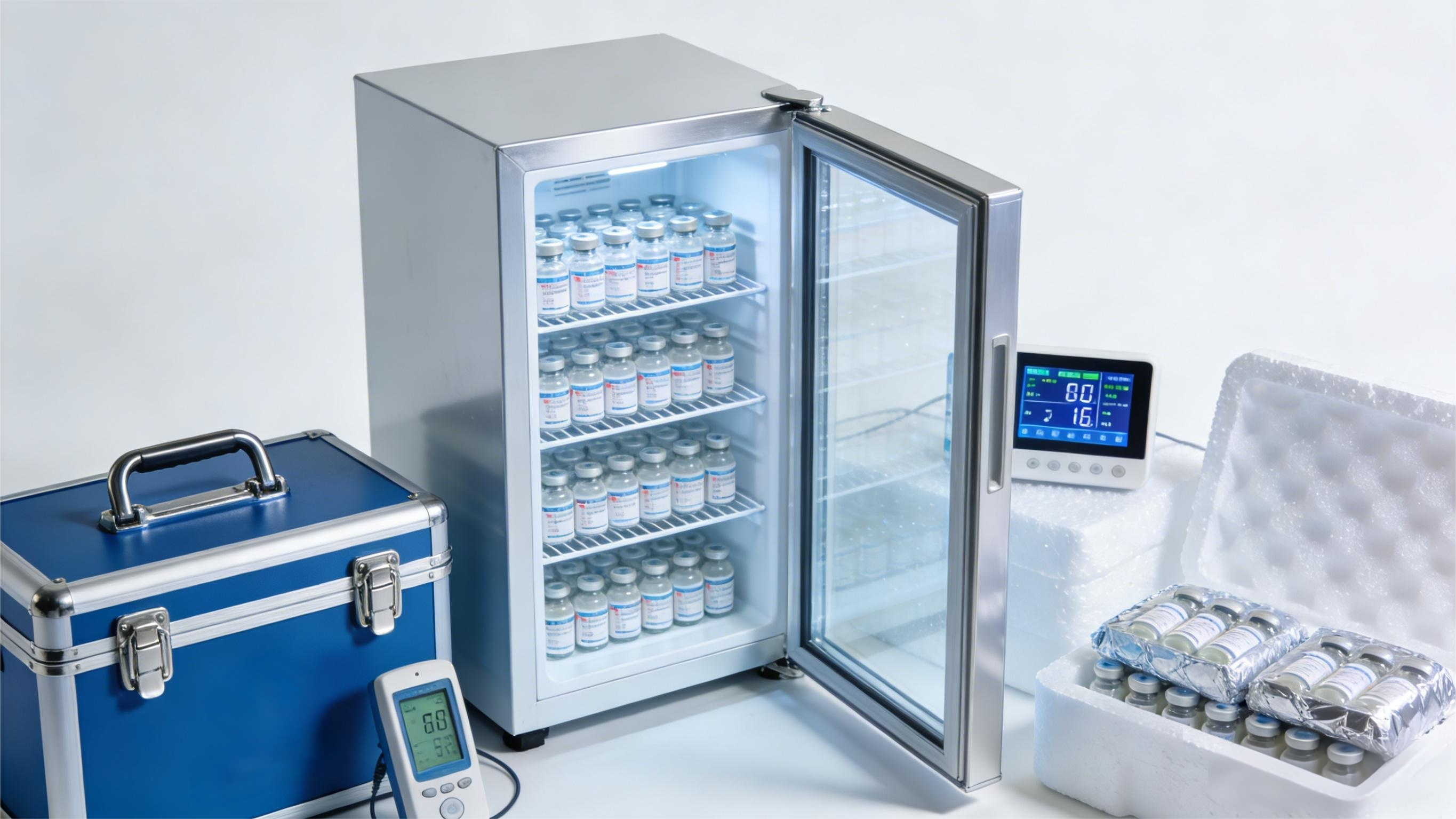
In practical applications, Glacier Coolant demonstrates remarkable advantages. Take cold chain logistics, for instance. Maintaining precise temperature control is critical when transporting perishable goods such as food and pharmaceuticals. By placing Glacier Coolant inside a transport container and pre-charging it in a low-temperature environment, the material solidifies and stores cold energy. During transit, as temperatures inside the container begin to rise, the coolant slowly melts, releasing cooling energy to maintain a stable, low-temperature environment—ensuring product integrity without relying on continuous power supply. Compared to traditional refrigeration methods, this approach is not only more energy-efficient but also enhances transportation flexibility and reliability.
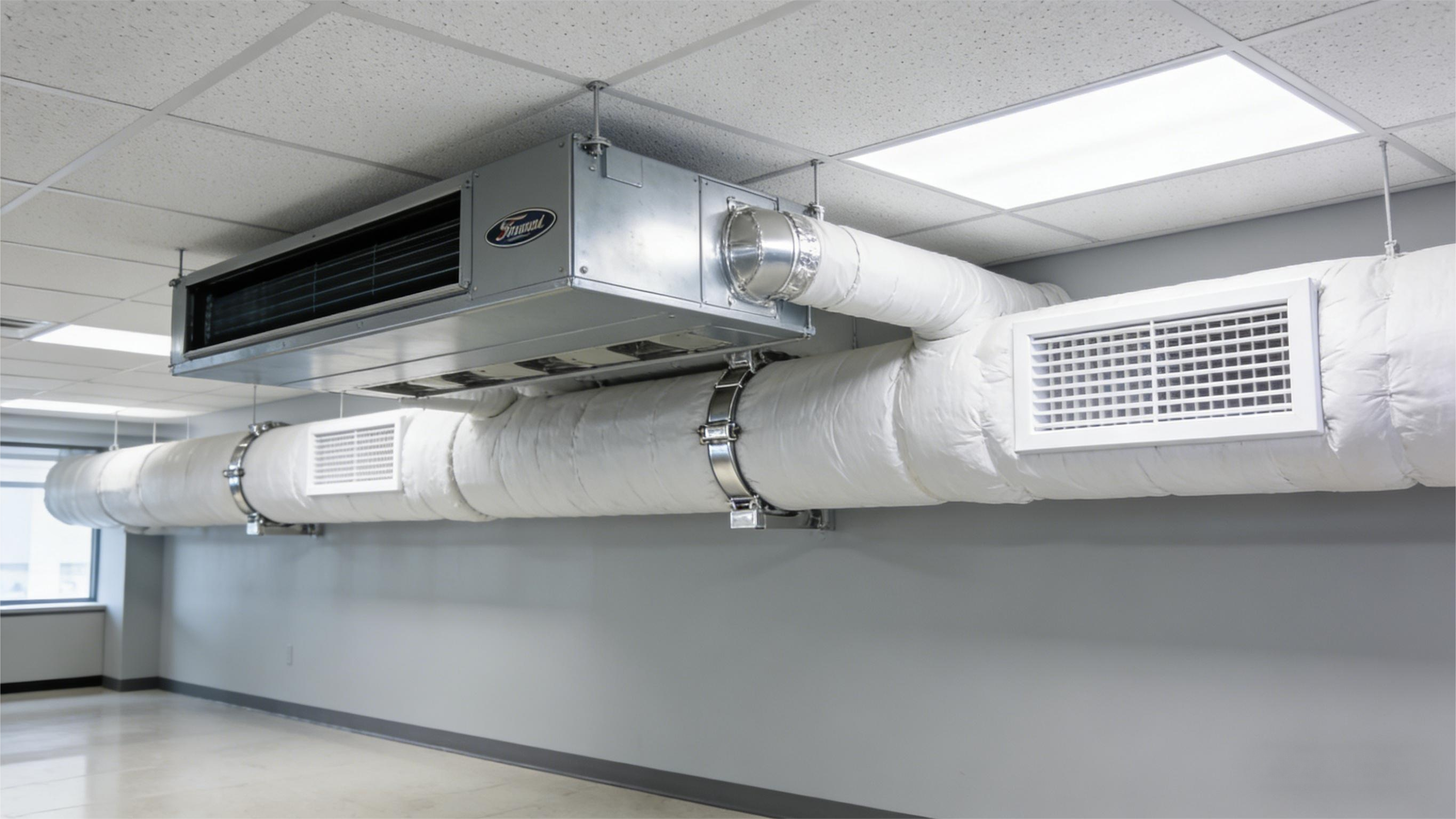
In the field of building air conditioning, Glacier Coolant holds promising potential. During off-peak electricity hours, typically at night when rates are lower, cooling systems can be used to solidify the coolant by lowering its temperature below the phase change point. Then, during peak daytime hours, the material melts and releases stored cooling energy to partially meet the building’s air conditioning demands. This strategy helps reduce electricity consumption during high-demand periods, alleviates strain on the power grid, and lowers operational costs—delivering both economic and environmental benefits.
The healthcare industry, particularly in vaccine storage and transport, also benefits greatly from Glacier Coolant’s precise temperature regulation. Its ability to maintain a stable, low-temperature environment ensures the safe preservation of temperature-sensitive medical supplies. Similarly, in data centers, where servers generate substantial heat, Glacier Coolant can assist in heat dissipation, reducing the load on primary cooling systems and enhancing both operational efficiency and stability.
With its intelligent phase change mechanism, Glacier Coolant showcases significant value across numerous sectors. As technology continues to advance and the global emphasis on energy conservation and environmental sustainability grows, Glacier Coolant is poised to expand its reach into even more applications—paving the way for a more efficient, reliable, and sustainable future.